
August 29th — The 20th Anniversary of Hurricane Katrina
Published September 2, 2025 at 2:21 PM · News Releases and Bulletins
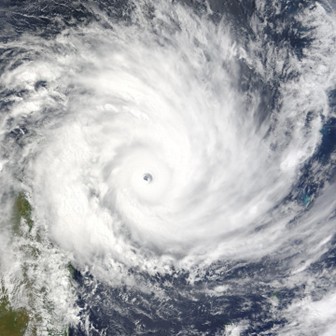
Insurance news was packed last week with stories involving Hurricane Katrina. It slammed into the Gulf Coast of the United States on August 29, 2005. Katrina bankrupted the National Flood Insurance Program (NFIP), and dramatically, and radically, changed how this country responds to hurricanes and other disasters.
As most of you know, the hurricane hit New Orleans, Louisiana head on and the flooding that followed was catastrophic. The city’s poorly maintained levees collapsed with the wall of water storm surge that was taller than a two-story building.
Over 80% of the city was flooded for days.
Worse, 1,400 people lost their lives. Close to one and a half million people were displaced. Economic damages from Katrina hit $125 million, making it the deadliest, and most expensive storm in U.S. history at the time. Other communities in Mississippi and Alabama were devastated as well.
Response from the government was pitiful, to say the least. Resignations came in droves and that included Michael Brown, the director of the Federal Emergency Management System (FEMA) who oversees the NFIP.
Many neighborhoods and communities were heavily impacted, and some have never recovered.
Not so surprisingly, most Americans remember Hurricane Katrina and its devastation very well. A USA TODAY/Ipsos poll found 85% being very familiar with the hurricane, and this in spite of 20 years of more disasters, a major recession, nearly unprecedented political upheaval, and other more important events like the COVID pandemic.
"The images are just burned into people's minds and hearts and souls about what those days and weeks looked like with the city underwater," Mary Landrieu — a Democratic senator from Louisiana, the daughter of a New Orleans mayor and the sister of another — told USA TODAY. "The thousands of people that were stranded at the Superdome − I mean, that was a catastrophe and a real failure of the local, state and federal government.”
The Insurance Information Institute (Triple-I) said insurance losses hit $41.1 billion through more than 1.7 million claims from six states. That doesn’t include the NFIP losses of $16.1 billion and the couple of billion in losses from damages to offshore energy sources.
In 2010, the Triple-I compiled a loss list:
Losses by state:
Lousiana: $25,400,000
Mississippi: $13,800,000
Alabama: $1,100,000
Claims:
Lousiana
975,000 claims — or 55.9% of Katrina's insurance claims
Mississippi
515,000 claims — or 29.5% of Katrina's insurance claims
Alabama
109,000 claims — or 6.3% of Katrina's insurance claims
Florida
122,000 claims — or 7% of Katrina's insurance claims
Types of claims: Mostly homeowners, commercial and auto.
Homeowners
$17.9 billion
43.4% of the total claims
Commercial
$21.1 billion
51.2% of the total claims
Auto
$2.2 billion
5.3% of the total claims
Private and public claims payments
The National Flood Insurance Program
$16.1 billion
211,000 claims
Private insurance
$41.1 billion
1.7 million claims
There are several articles packed with great information on the hurricane and its impact on insurance then, and insurance and risk management now. The links to those stories are below.
And for those into great television, HBO did a series called, Tremme about New Orleans after Katrina. It’s packed with lots of different characters struggling with post Katrina issues. You can find it on Prime, and possibly other places.
Source link: Insurance Information Institute — https://bit.ly/4naqHjo
Source link: Business Insurance — https://bit.ly/4ngbMVc
Source link: Insurance Journal — https://bit.ly/3HSnOoA
Source link: USA TODAY — http://bit.ly/3VhiWwt